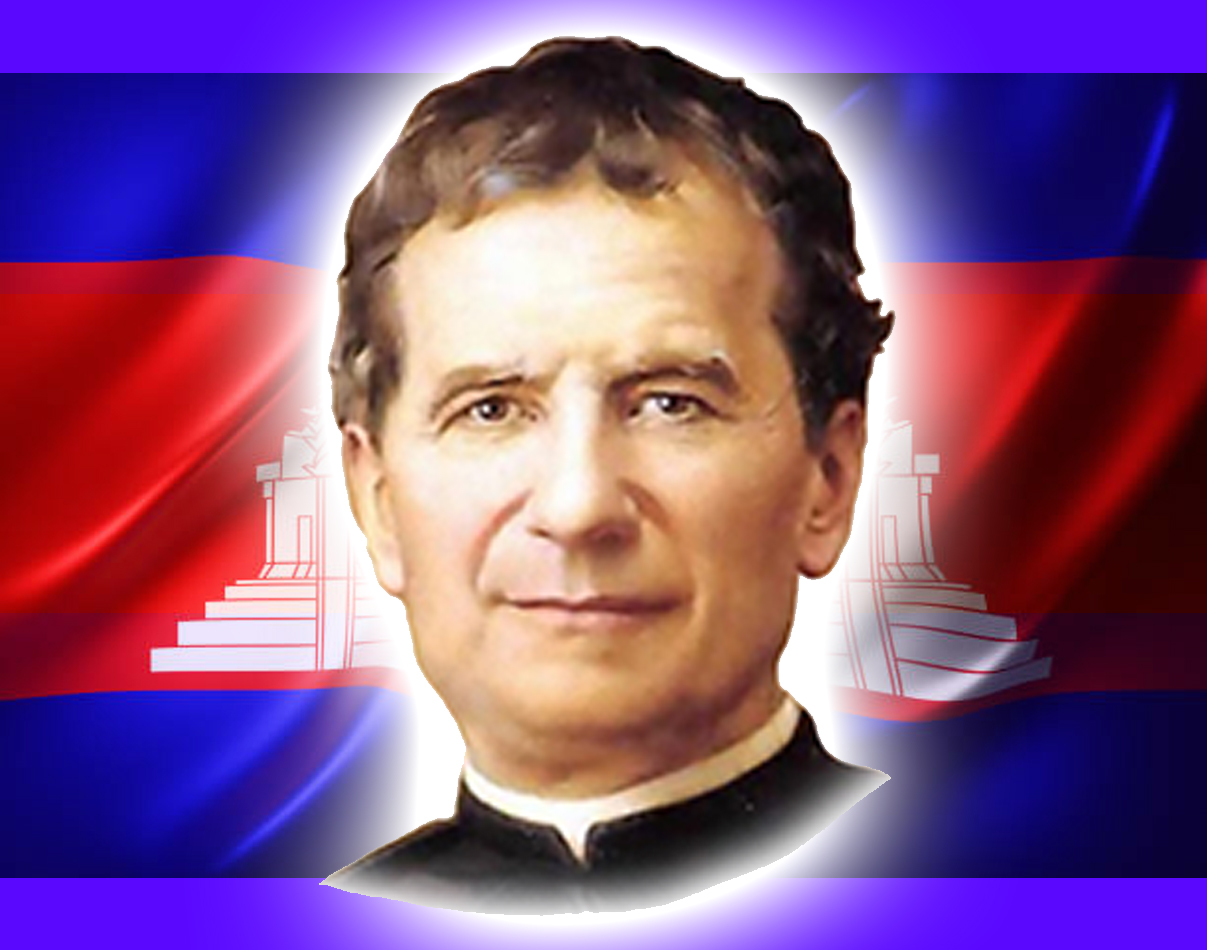


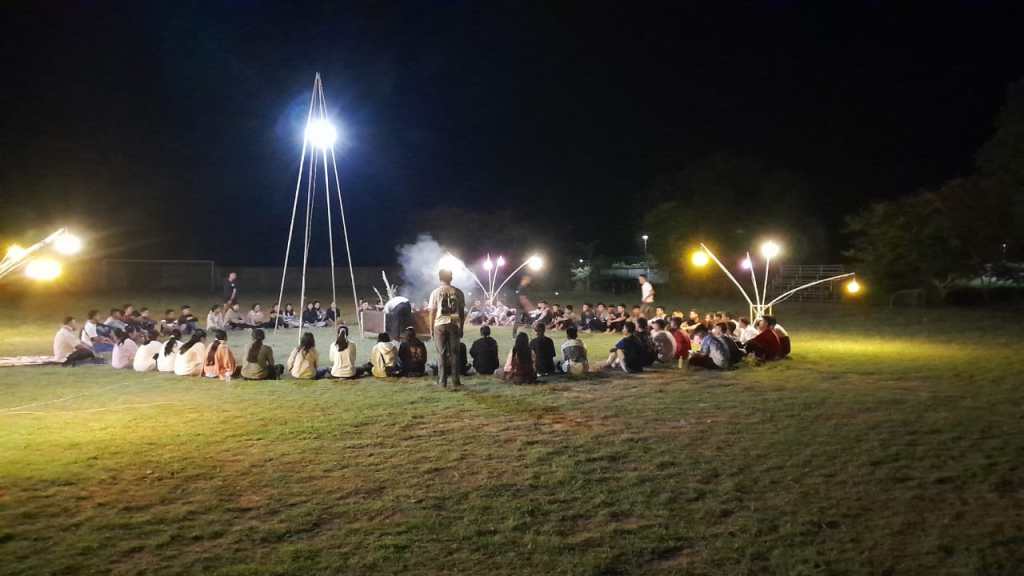
Don Bosco Cambodia is an organization committed to supporting Cambodian youth, particularly those from vulnerable backgrounds, including farmers, indigenous peoples, and migrants. Our mission is to enhance mental health and foster a social environment where young people can feel secure, valued, heard, and safeguarded. The Salesian Preventive System (SPS), inspired by Don Bosco, the apostle of youth, underpins our approach. Don Bosco established an extensive network dedicated to the education, protection, and spiritual well-being of young individuals, which now spans 134 countries.
In 2012, the Department of Phycology of the Royal University of Phnom Penh (RUPP) published the results of a study on Cambodian mental health:
Results indicate high rates of children´s problems, especially aggressive behavior in the families (11.5%) (for comparison in India a rate of 12.8% was found for child and adolescent disorders), child abuse experienced by males (10.6%) and by females (8%) (as compared to 10.2% of cases of maltreated children in the US), suicide (0.8% of the households, 42.35 suicides per 100,000 per year 2011 compared to worldwide numbers with an average of 16 suicides per 100,000 population per year (WHO, 2011) and a Thai rate of less than one fifth of the Cambodian rate) and suicide attempts (115, 4.3% total, 1.7% male, 5.5% female). Probable schizophrenic disorders were estimated at 0.6% for male and 0.2% for female (based on individuals being chained or put in a cage) (RUPP, 2012)
A 2020 report revealed that one-third of the Cambodian migrant workers surveyed in Thailand experienced significant stress, depression, and a diminished quality of life. The study encompassed 1,200 individuals across Thailand’s Sa Keo and Surin provinces, areas known to accommodate over 25,000 Cambodian workers as of 2018. The findings highlighted mental health concerns, with 67.96% of participants reporting moderate to high levels of stress, and 69.69% exhibiting symptoms of depression. Notably, these figures surpassed those of a similar study conducted among low-skilled workers in Europe (Hean Socheata et Sokummono Khan, 2020).
According to an article from The Phnom Penh Post, as reported by The National in 2022, police records indicated that there were 873 fatalities and 13 injuries resulting from suicide attempts that year. Sek Socheat, co-founder of Cambodia’s Mindset Development Organisation, emphasized the necessity of incorporating mental health education within communities and extending socio-economic and health support to mitigate this issue. In 2022, the majority of fatalities were among youths aged 15–19. UNICEF reports indicate that around half a million Cambodians suffer from depressive disorders or anxiety, significantly contributing to the nation’s suicide rates. Alarmingly, following the extended COVID-19 school closures, an estimated 58% of secondary school students reported experiencing mental health issues (UNICEF, 2023).
How Don Bosco contributes to mental health
Since 1988, Don Bosco has been instrumental in the reconstruction and development of Cambodian society, offering skill training for youth and child protection services. The Don Bosco technical school campuses highlight the significance of sports, cultural activities, and green spaces, cultivating an environment where young people can feel at home. Don Bosco envisioned our initiatives as a place to live, a playground for friendship, a school to forge our futures, and a sanctuary to connect with the divine. This philosophy is encapsulated in the Salesian Preventive System, ensuring that youth are never isolated and always feel supported.
We advocate for prioritizing schools in shaping and educating Cambodia’s new generations. Our educational approach should be rooted in the genuine needs of children and youth, cognizant of social dynamics and factors contributing to mental health challenges. These include economic struggles, societal pressures, discrimination, and the pervasive influence of materialism propagated by the media.
We urge the Cambodian media to consider the impact of their reporting on mental health, particularly among the youth. It’s crucial to be mindful of how coverage, especially of sensitive topics like suicide, can influence public perception and potentially lead to the Werther effect. Implementing guidelines for responsible reporting is essential. This includes avoiding the glorification of suicide, refraining from detailed descriptions of the methods or locations, and steering clear of sensational headlines or imagery. As the WHO’s 2014 report on suicide prevention highlights, media portrayal of suicide must be handled with care to contribute effectively to prevention efforts.
It is essential that students, from early education through to higher levels, receive the attention necessary for their development, as they represent the future of our society. Mental health care should begin in the earliest years of life. It is imperative for teachers and school administrations to be equipped with the appropriate tools and funding to focus on prevention and enhance student well-being. Initiatives like the Child Helpline Cambodia are vital, offering a lifeline where children, adolescents, or anyone in distress can receive professional assistance in Khmer. Concurrently, all individuals involved in education and governance must act as a support network, providing guidance and help to those facing mental health challenges.
Reference
Child Helpline Cambodia, 2024. Link retrieved on 11th May 2024 from https://findahelpline.com/countries/kh
Hean Socheata et Sokummono Khan, 2020. Research Shows High Rates of Depression, Stress Among Cambodian Migrant Workers. VOA, 12th October 2020. Link retrieved on 11th May 2024 from https://www.voacambodia.com/a/cambodian-migrant-workers-in-thailand-has-poor-quality-life-in-association-with-mental-health-issue-research-says/5618208.html
Independent Press Standard Organization (IPSO). Guidance on reporting suicide. Link retrieved on 11th May 2024 from https://www.ipso.co.uk/media/1725/suicide-journo-v7-online-crazes.pdf
National Library of Medicine, 2019. Media Matters in suicide – Indian guidelines on suicide reporting. Indian J Psychiatry. 2019 Nov-Dec; 61(6): 549–551. doi: 10.4103/psychiatry.IndianJPsychiatry_606_19. Link retrieved on 11th May 2024 from https://www.ncbi.nlm.nih.gov/pmc/articles/PMC6862995/
Reporting on Suicide. Best practices and recommendations for reporting on suicide. Link retrieved on 11th May 2024 from https://reportingonsuicide.org/wp-content/uploads/2024/04/ROS-One-Pager-updated-2024.pdf
RUPP, 2012. Cambodia Mental Health Survey 2012. Department of Physcology. Royal University of Phnom Penh. Link retrieved on 11th May 2024 from https://tpocambodia.org/wp-content/uploads/2015/09/Cambodian-Mental-Health-Survey-2012-RUPP.pdf
The Phnom Penh Post, 2022. Cambodia logs 873 suicides as poverty, debt and depression take heavy toll. Phnom Penh, 23rd December 2022. Link retrieved on 11th May 2024 from https://www.nationthailand.com/world/asean/40023387
UNICEF, 2023. UNICEF and UNFPA call for collective action to invest more on mental health and the well-being of children, adolescents and youth in Cambodia. Unicef Cambodia, 10th October 2023. Link retrieved on 11th May 2024 from https://www.unicef.org/cambodia/press-releases/unicef-and-unfpa-call-collective-action-invest-more-mental-health-and-well-being#_ftn5
 Don Bosco Cambodia - DBFC