

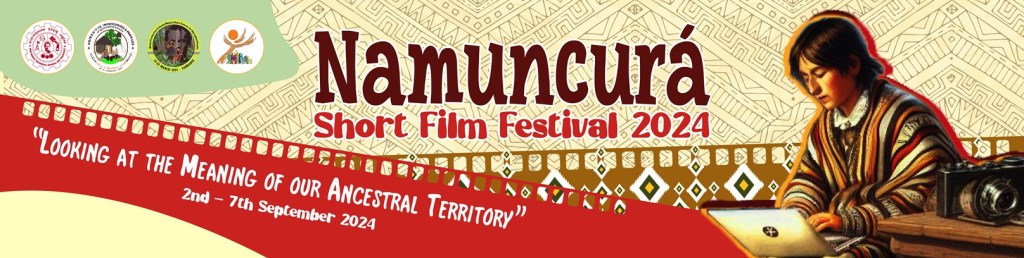
Kep Province — The Media Communication Department of Don Bosco Kep is proud to announce the inaugural launch of a short film festival this year, uniquely dedicated to celebrating the rich cultures of Asian indigenous peoples. This pioneering event marks the first of its kind within the Salesian Congregation, showcasing a commitment to honoring the diversity and creativity of indigenous communities
The short films that should be produced by young people from Asian indigenous communities or youth related in some way to the indigenous identity, must keep in mind the following key concepts:
- Indigenous People and their Living Traditions (this includes customs, cultures, traditional medical practices, hospitality, sharing, community living, living with other communities and faiths- dialogue of life.)
- Environment (Laudato si, closeness to nature, protection and care for the habitat, preservation on water resources, forests, mangroves etc.)
- Sense of the Divine, relationship with God/gods, recognition of the Supernatural, sacredness and values of life, relationality and harmony between God-humans and environment.
The upcoming event pays homage to Blessed Ceferino Namuncurá, the revered South American indigenous youth who was a disciple of the Salesians in Argentina in the late 19th century, under the guidance of Mgr. John Cagliero. His legacy continues to inspire and shape our community’s dedication to cultural and educational pursuits.
Within the Salesian community, only two indigenous youths are currently being considered for sainthood by the Catholic Church: Blessed Ceferino Namuncurá (1886 – 1905, Mapuche from Argentina) and Servant of God Simão Bororo (1937 – 1976, Bororo from Brazil). The majority of indigenous individuals canonized by the Church hail from the Americas, including Saint Juan Diego Cuauhtlatoatzin, Saint Kateri Tekakwitha, the Child Martyrs of Tlaxcala, and the Two Martyrs of Oaxaca. The recognition of indigenous saints from other continents remains sparse, possibly due to ongoing debates over indigenous identity in regions like Africa and Asia, whereas in the Americas, such discussions have a history spanning over five centuries.”
We anticipate that the synodal process, coupled with Pope Francis’s call to listen to those often overlooked within the Church, will bring to light more instances of indigenous sanctity and, undoubtedly, martyrdom. This is especially pertinent as numerous evangelization efforts during European colonialism were marked by forceful imposition, humiliation, and discrimination, leading to the systematic erasure of indigenous peoples’ ancestral identities. Reflecting on the biography of many missionaries, we confront their characterization of native peoples as ‘violent savages’ in need of ‘conversion and civilization’—a euphemism for conforming to European standards. While such colonialist views may appear outdated, the struggle continues to liberate the mindset of global elites who still regard indigenous communities as primitive and nature as a mere commodity to be exploited without restraint.
In the gatherings held in January and March 2024 at Don Bosco Kep, which united the voices of Cambodian and Asian indigenous youth, a consensus emerged: mastering technological skills is imperative for indigenous communities. This mastery is not just about preserving their unique identities, languages, and traditions; it’s also about imparting their profound wisdom to the broader tapestry of human society.
The Namuncurá short film festival for Asian indigenous youth, belongs to that purpose to promote the indigenous communities.
Please get more information in this page:
Namuncurá Short Film Festival – Don Bosco Hatrans TVET & Children Fund (donboscokep.org)

 Don Bosco Cambodia - DBFC