

Phnom Penh, Cambodia — In a quiet corner of Southeast Asia, where the rhythms of monsoon rains meet the chants of ancient temples, a group of educators is reimagining the future of technical education through the lens of ancestral wisdom and pastoral care.
On 27–28 October 2025, thirty-eight teachers and Salesians from Don Bosco Technical School in Phnom Penh, joined by colleagues from Don Bosco Salabalat in Battambang, gathered for a two-day formation on the Inculturated Salesian Preventive System. The event, themed “Don Bosco Khmer: Dad and Mom, Friend and Khmer Teacher of the Youth”, was led by Fr Albeiro Rodas, under the invitation of Father Rector Ceferino Ledesma.
The programme sought to deepen the integration of Don Bosco’s educational charism with the spiritual and cultural heritage of Cambodia—a nation whose soul is shaped by Buddhism, Brahmanism, and Indigenous cosmologies. It is a vision that echoes the pastoral exhortations of Pope Francis, who has called for an education that listens to “the cry of the earth and the cry of the poor,” and of Pope Leo XIV, whose first encyclical Dilexi Te (“I Have Loved You”), centers on the Church’s relationship with the poor – emphasizing that love for God is inseperable rom love for the marginalized.
A Pedagogy Rooted in the Sacred
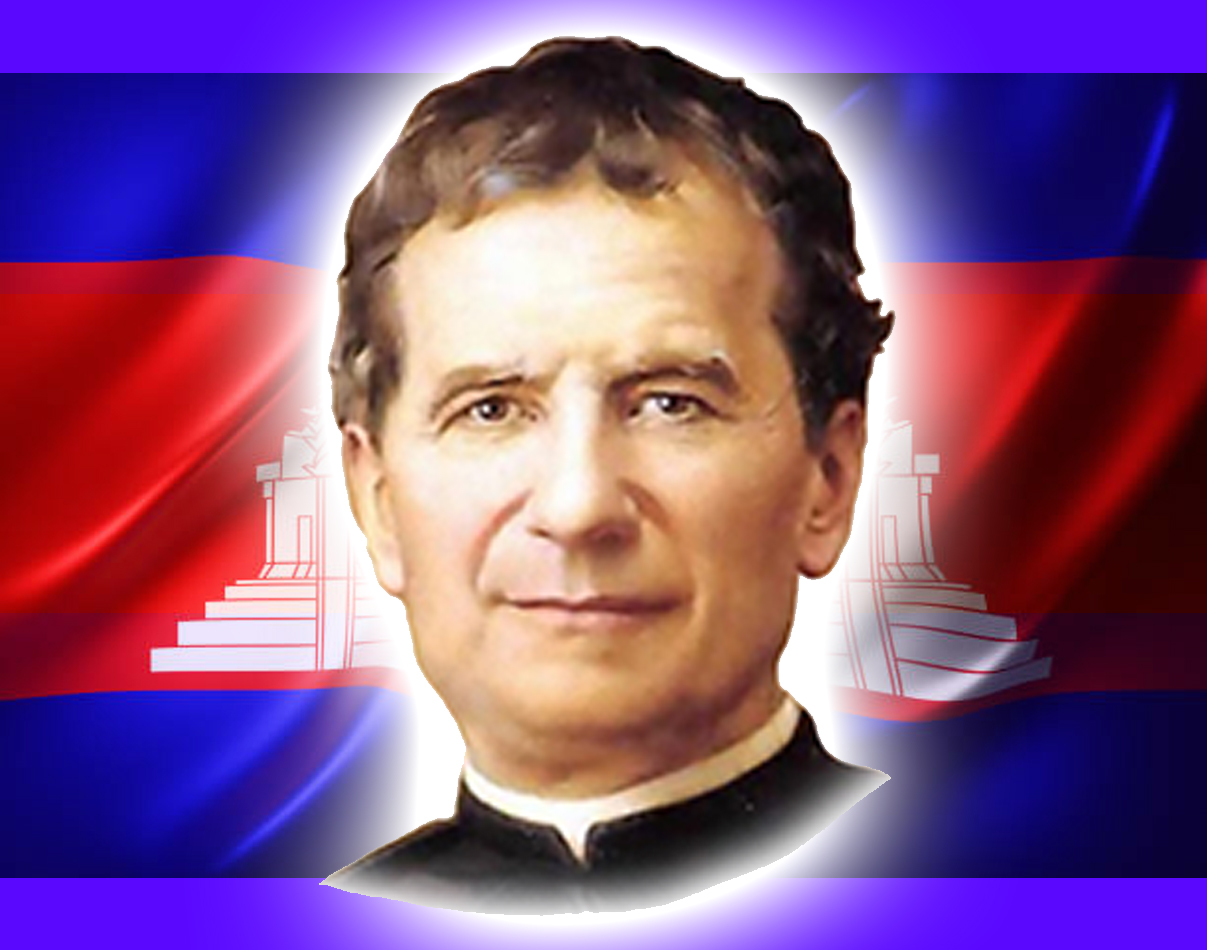
Fr Rodas invited participants to reflect on Don Bosco not merely as a historical figure, but as a living presence within Cambodian cosmology. “As a father,” he explained, “Don Bosco embodies both motherly and fatherly energy—what we call Mietha-Betha (មាតាបិតា) in Khmer. He is reason and loving-kindness, mind and heart, walking with the youth as a friend, not above them.”
This triadic vision—Don Bosco as parent, friend, and teacher—was explored through the lens of the Kru Kmae (គ្រូខ្មែរ), the traditional Khmer teacher revered not only for knowledge but for moral and spiritual guidance. “The Kru Kmae is a community leader, a healer of the soul, and a cultivator of peace,” said Fr Rodas. “In this sense, Don Bosco becomes a Khmer teacher—an educator who listens, accompanies, and empowers.”
Learning from the Six Natural Schools
The formation also introduced educators to what were termed the “six natural schools” of Cambodian life: the bosom of the family, Mother Nature, life’s challenges, the innate search for skill, institutional education, and the nurturing embrace of Mother Culture. These were not abstract categories, but living realities explored through the viewing of a Khmer short film on Don Bosco’s childhood dream at age nine.
Don Bosco’s Dream at Nine Cambodian Version សុបិន្តរបស់ដុនបូស្កូនៅអាយុ ៩ ឆ្នាំ។
Teachers reflected on how these six schools shaped not only the life of Don Bosco but also the daily formation of Cambodian youth. “Our students learn from the forest, from hardship, from the wisdom of their elders,” said one participant. “We are not just teaching mechanics or electronics—we are forming whole persons.”
A Cambodian Salesian Identity
The Salesian mission in Cambodia began in the refugee camps of Thailand in 1988 and took root in Phnom Penh in 1991, in the wake of decades of conflict. Since then, the Salesians have played a quiet but vital role in rebuilding the social fabric—offering technical education, spiritual accompaniment, and a sense of belonging to thousands of young people.
Today, that mission is evolving. The Cambodian Salesian educator is envisioned not as a distant authority, but as a Kru Kmae formed by the six natural schools—attentive to family life, grounded in the land, resilient in adversity, and committed to cultural authenticity.
In the words of Fr Rodas, “Don Bosco Phnom Penh is not just a school. It is a village. A home. A sacred space where the youth of Cambodia can rediscover their roots, their dignity, and their vocation as builders of peace and justice.”
 Don Bosco Cambodia - DBFC